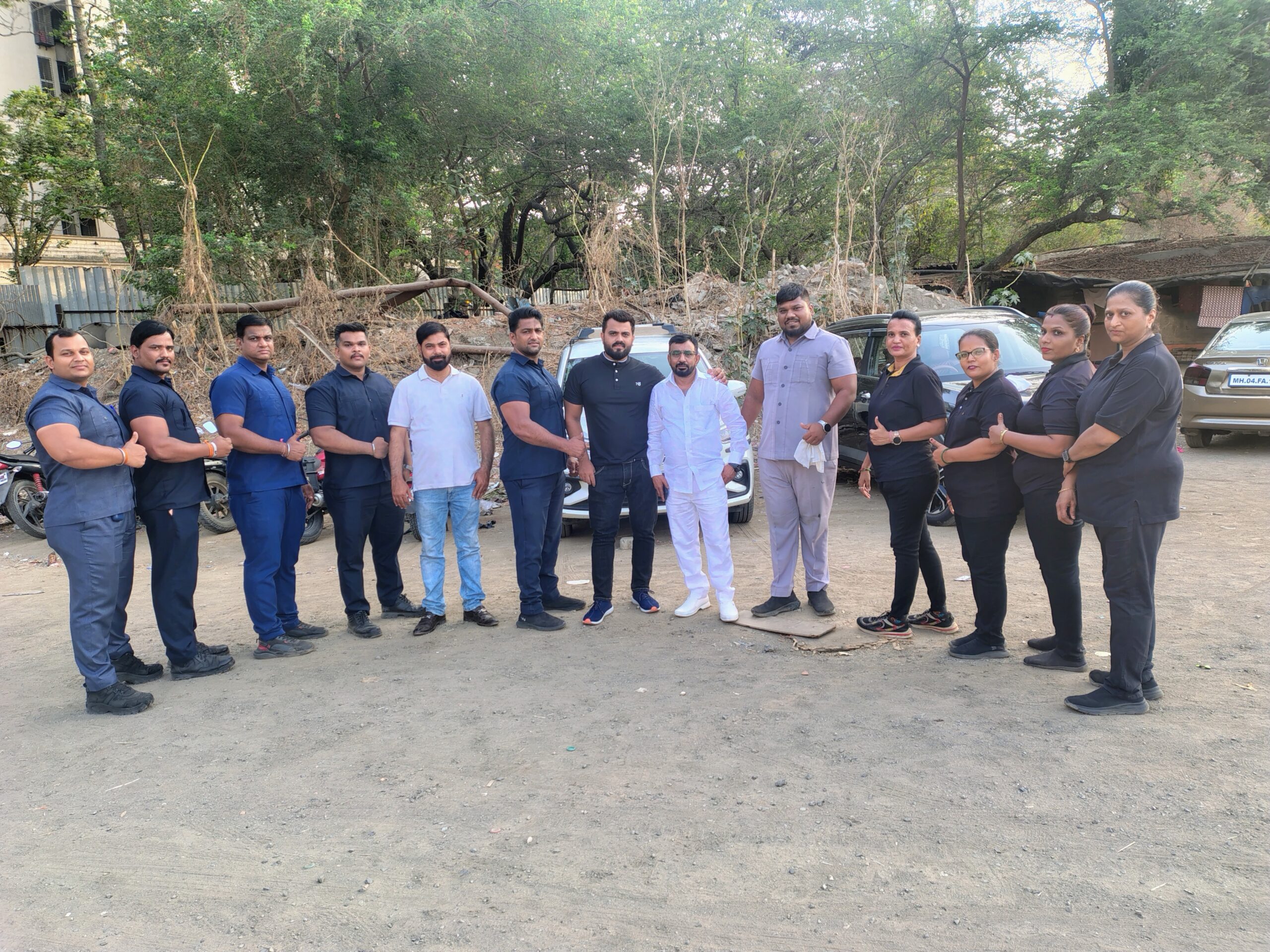
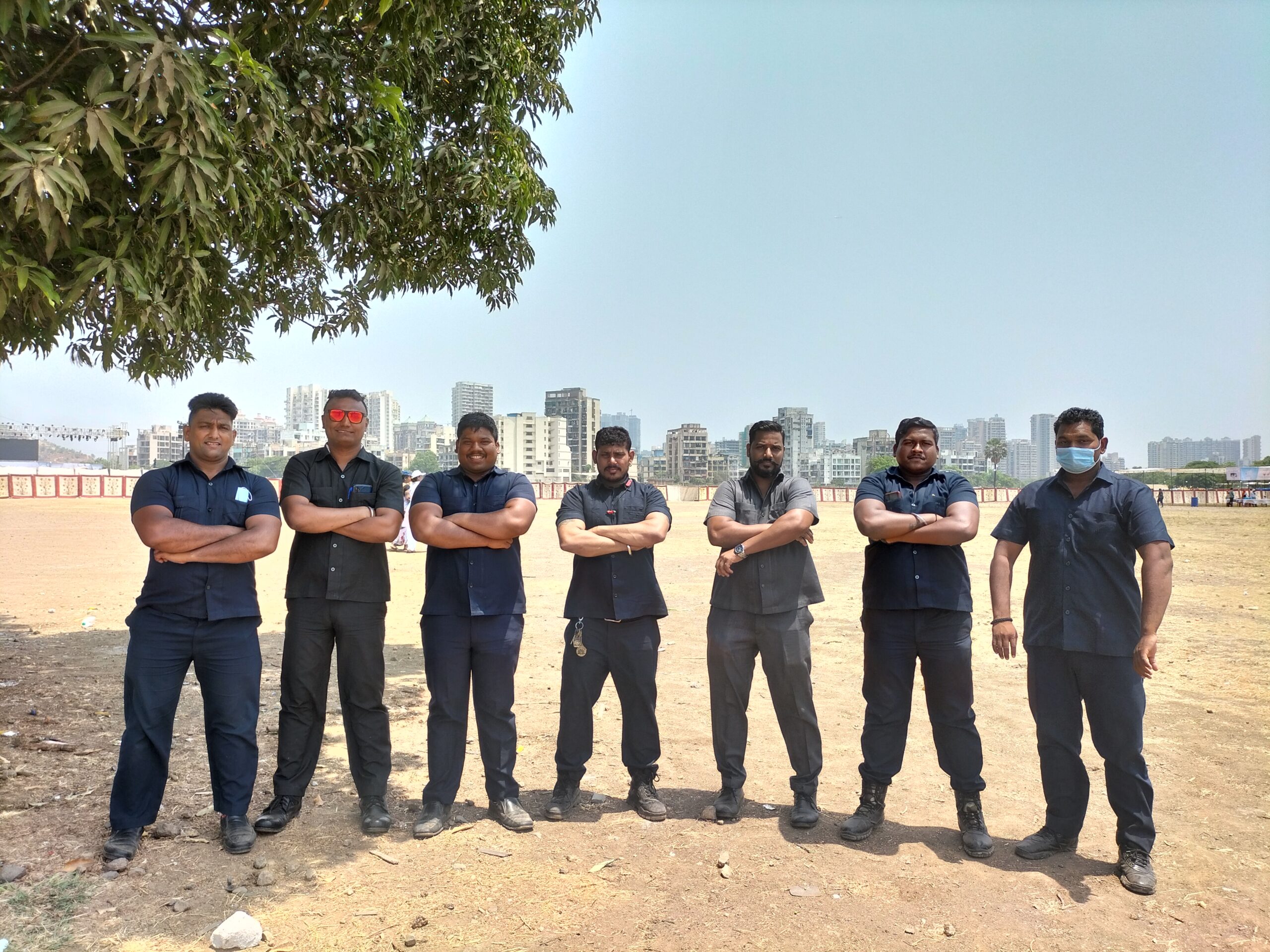
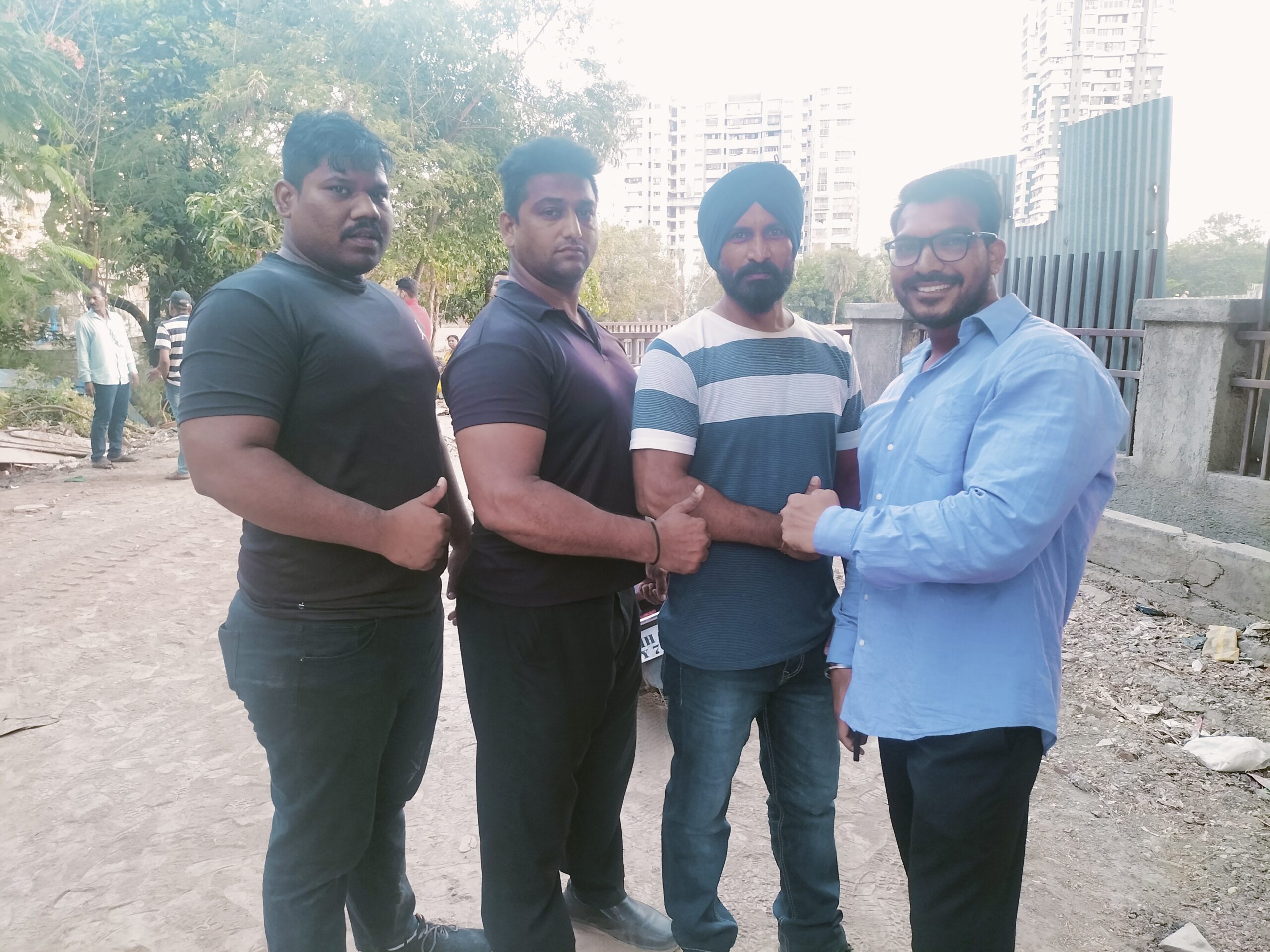
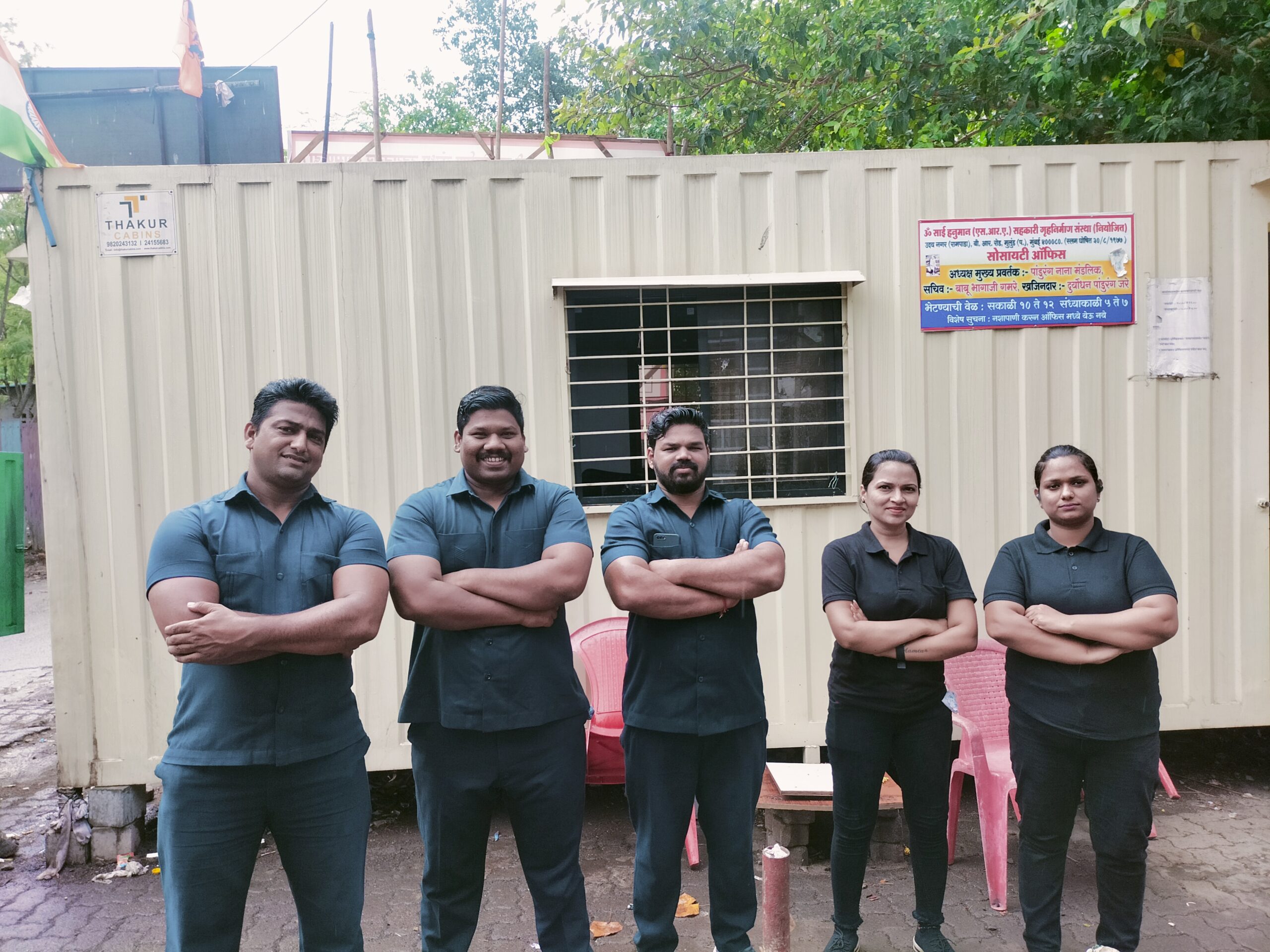
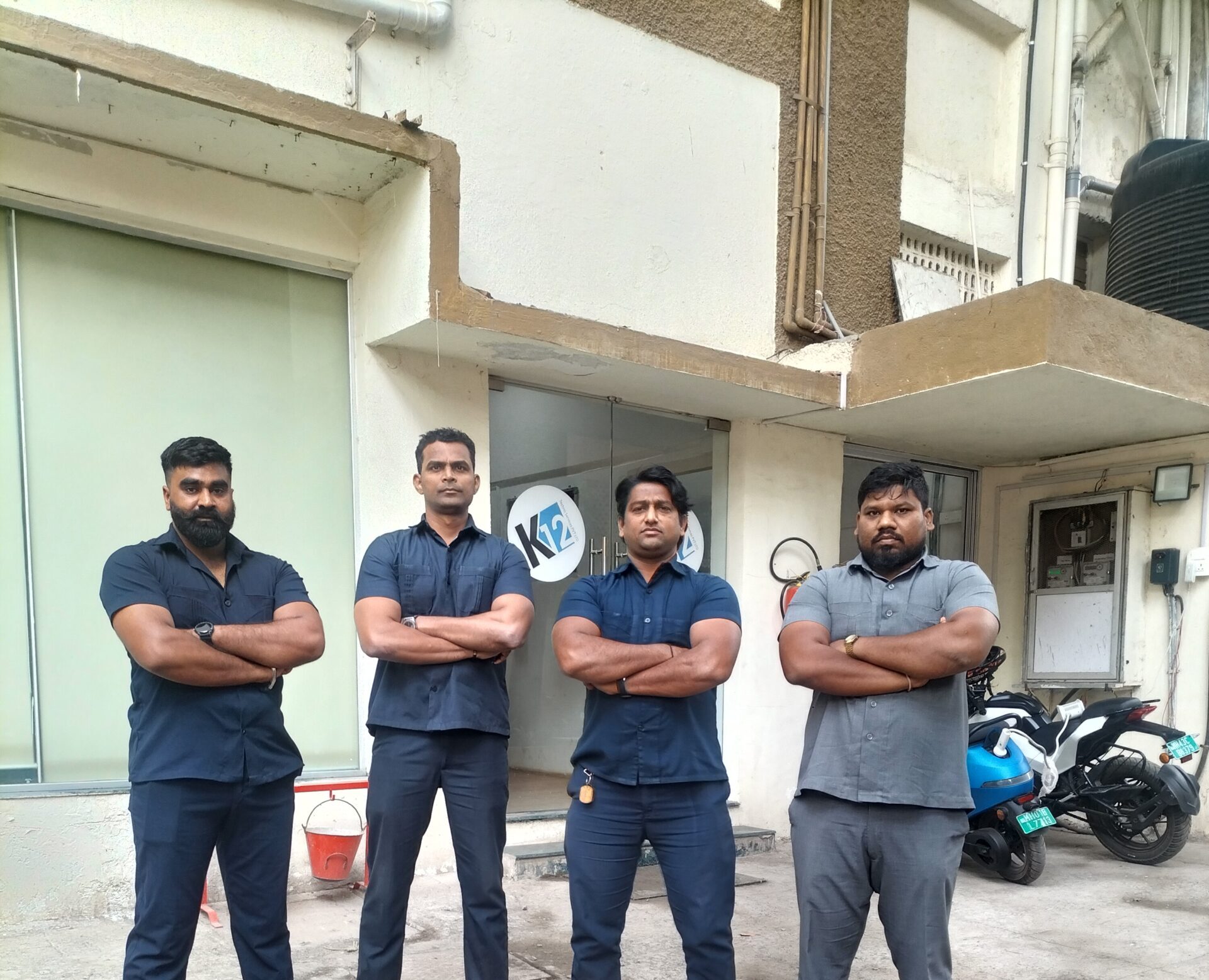
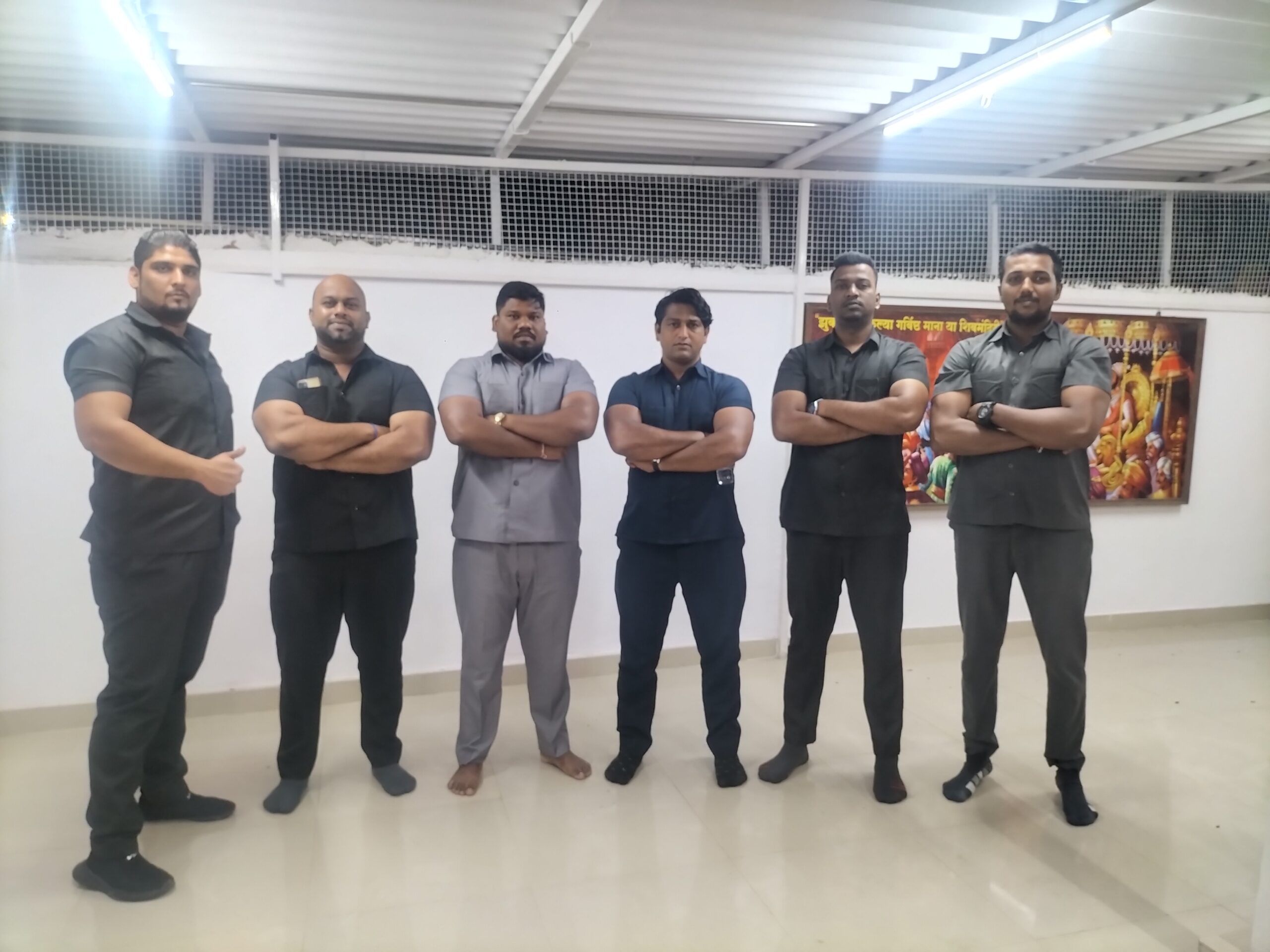
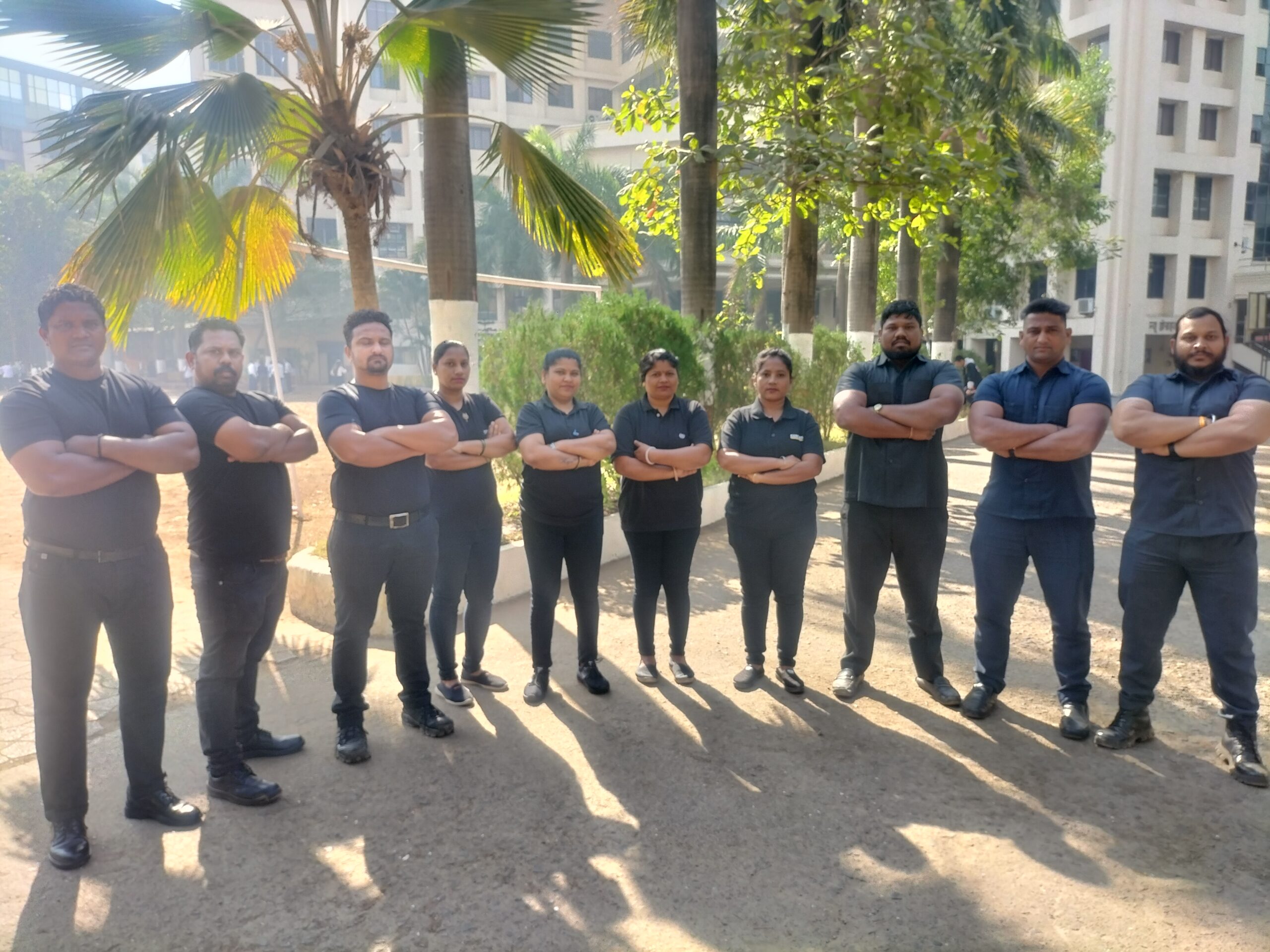
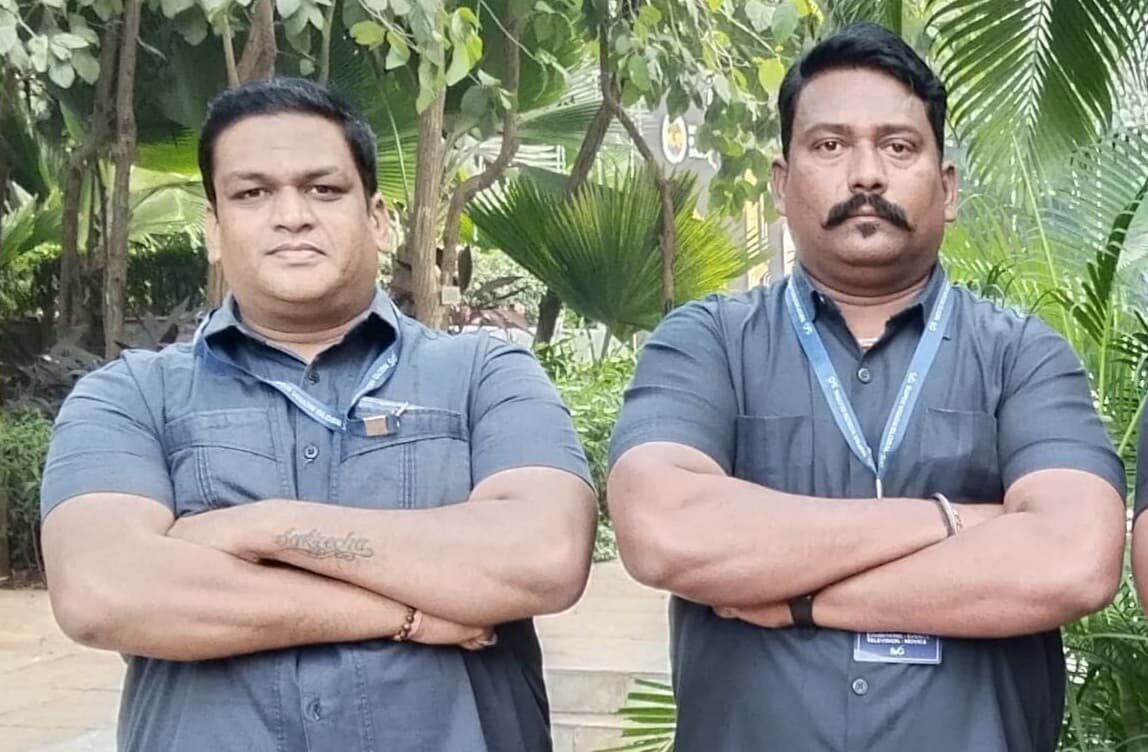
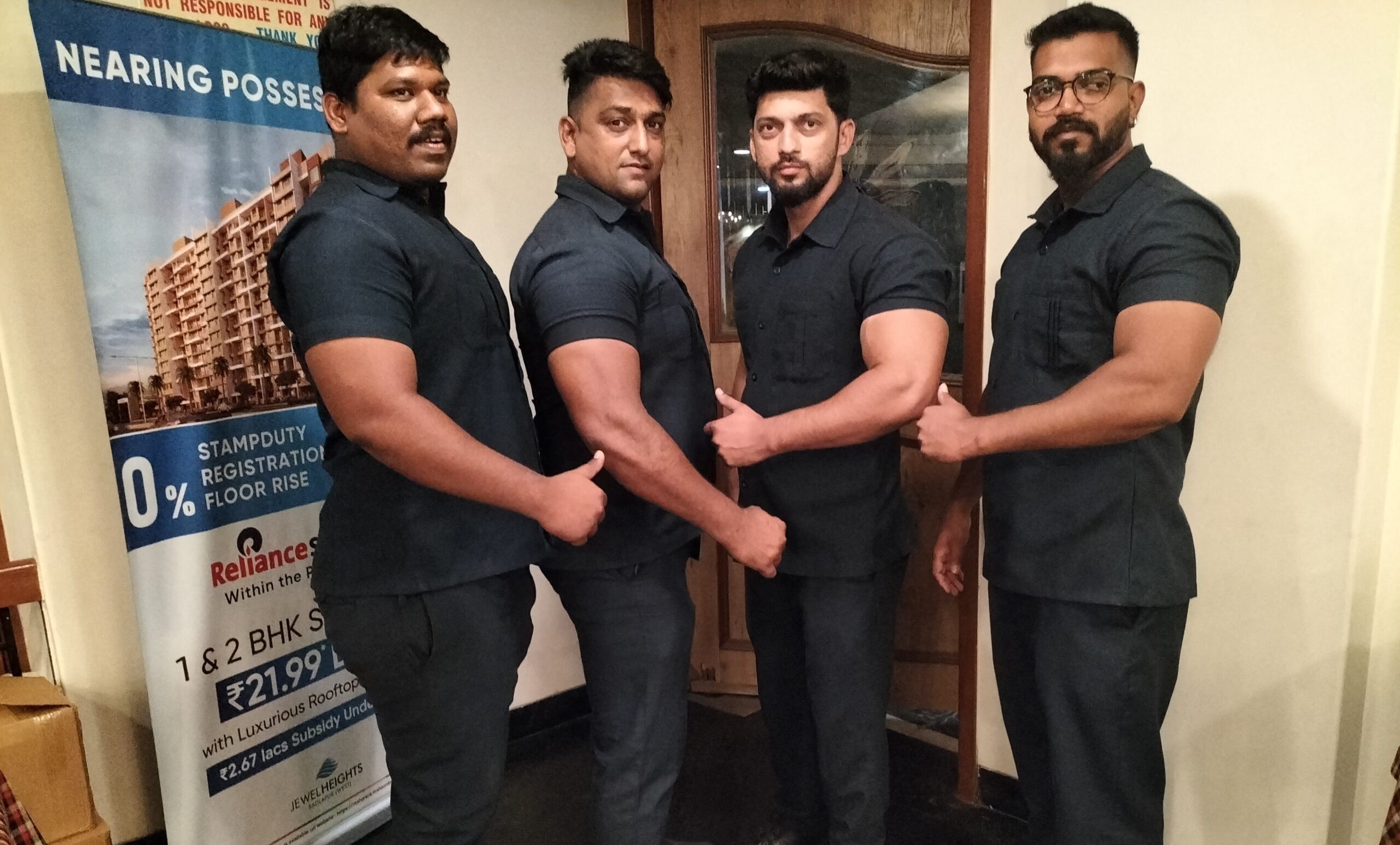
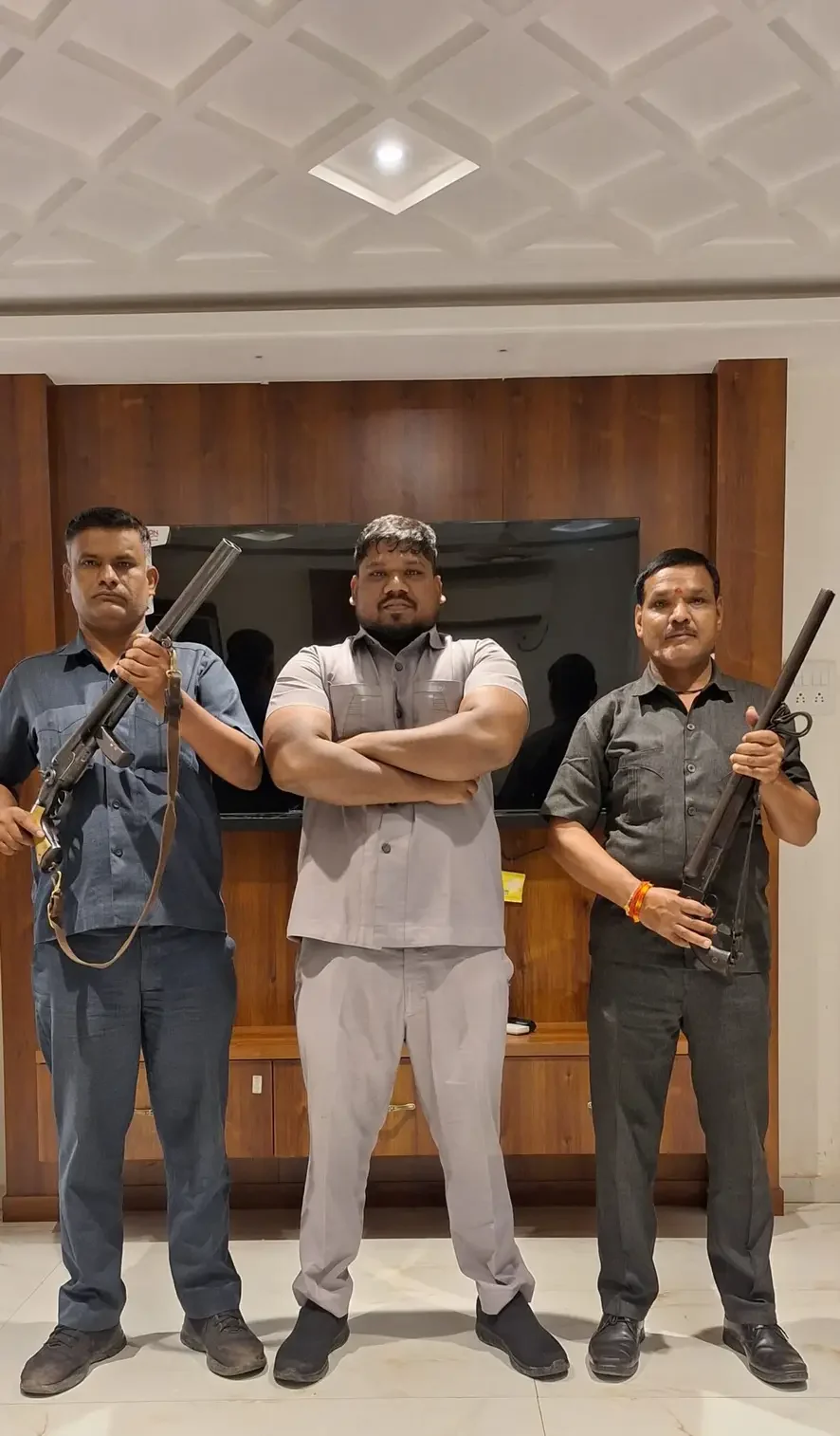
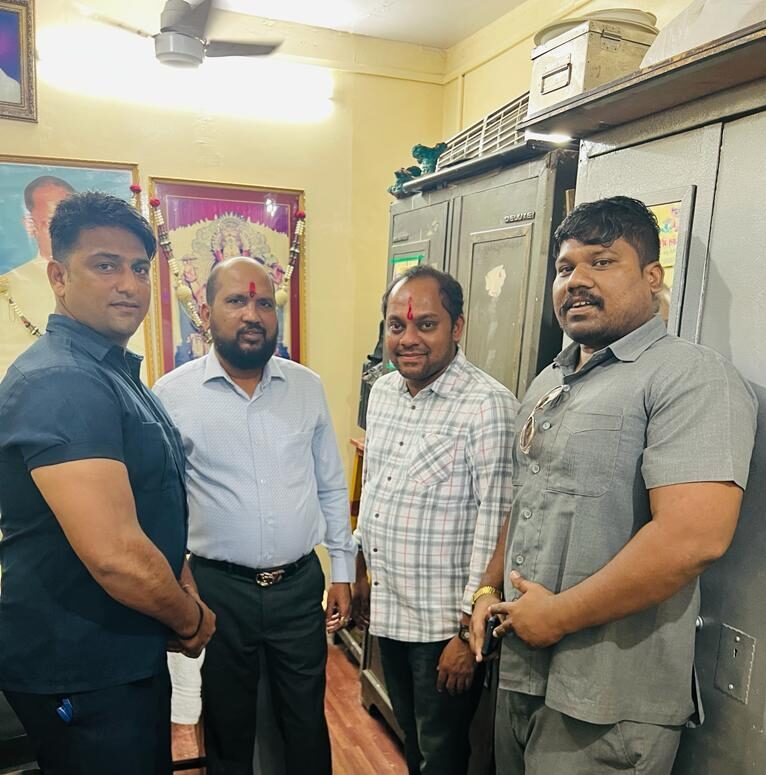
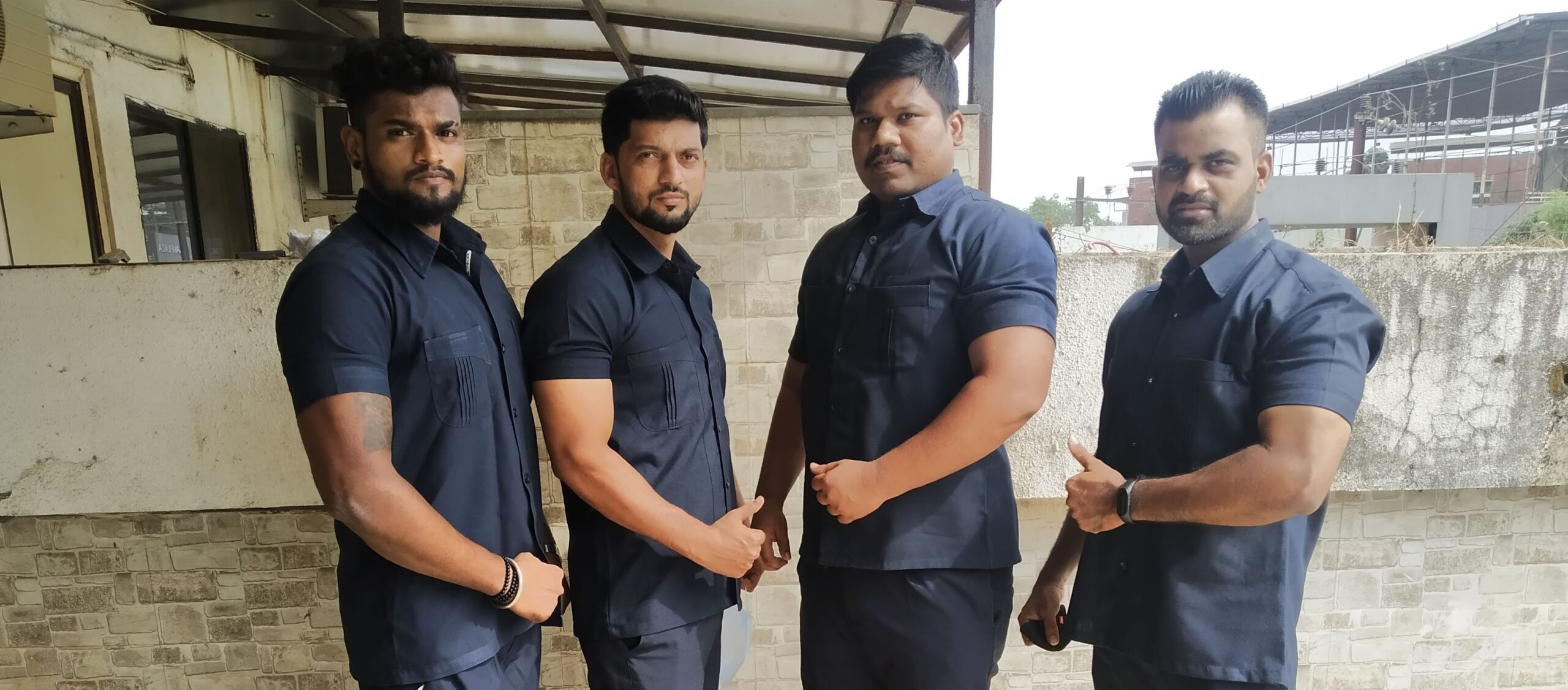
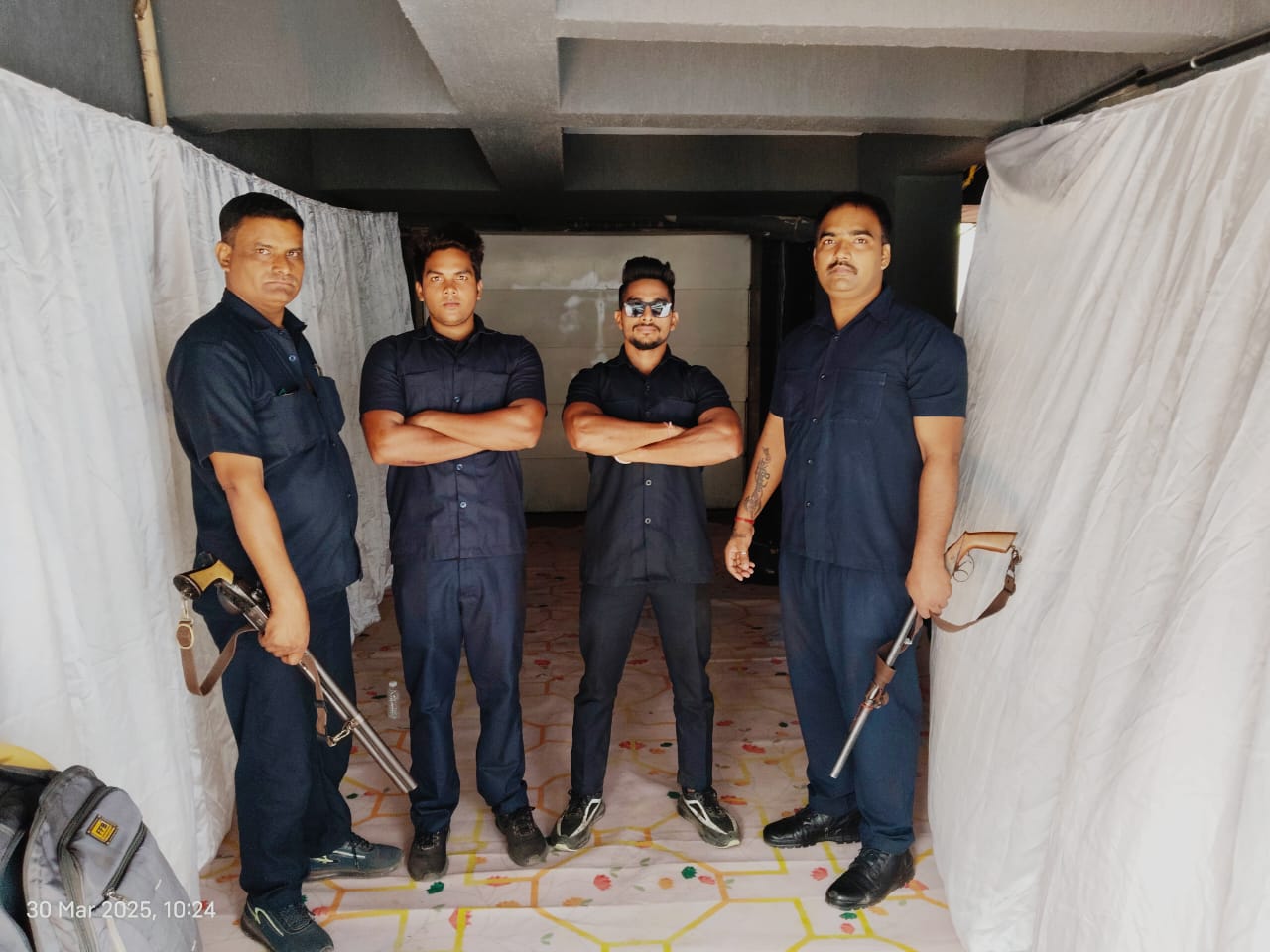
Protecting Open Land: Deploying Security Personnel
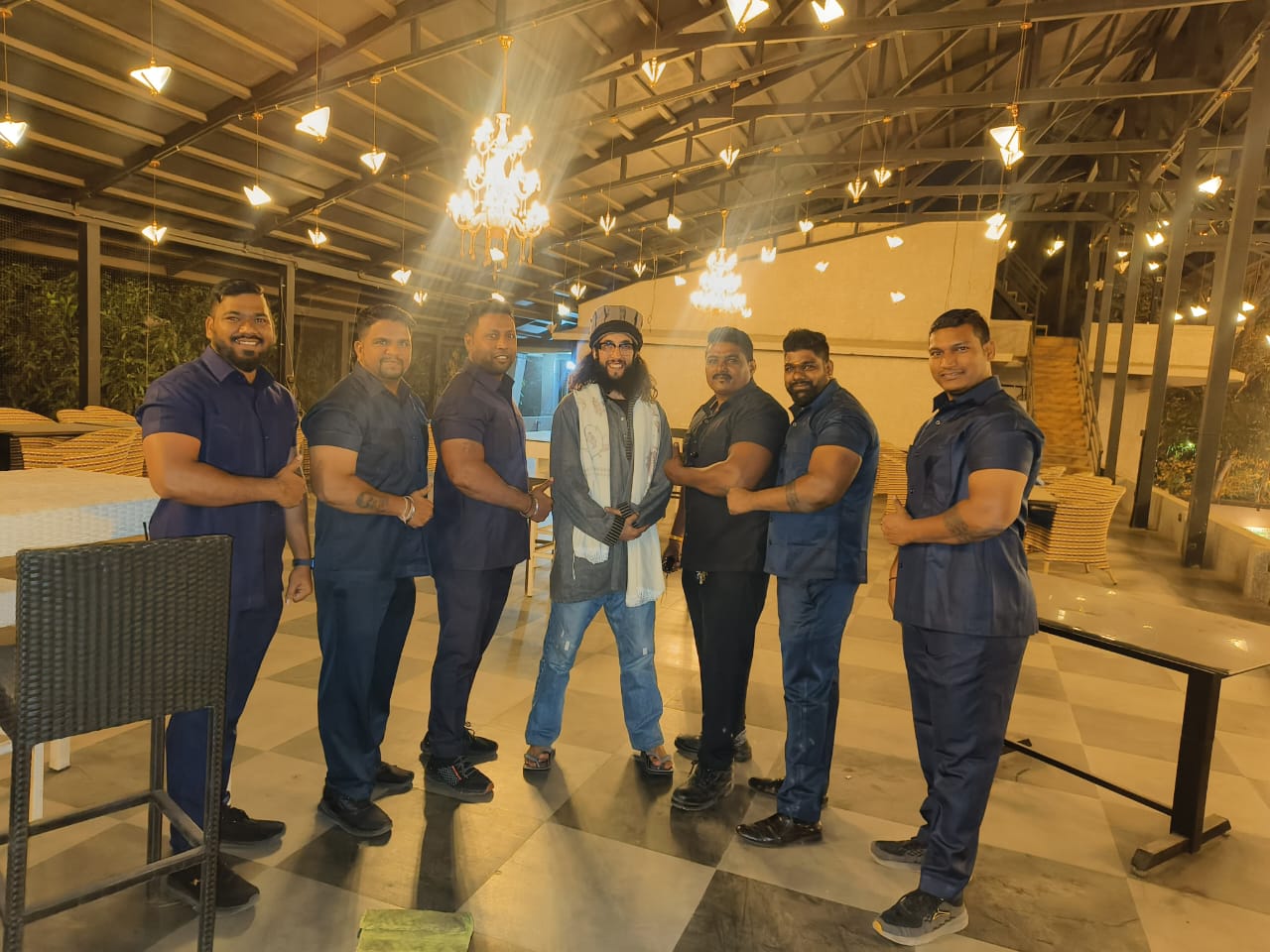
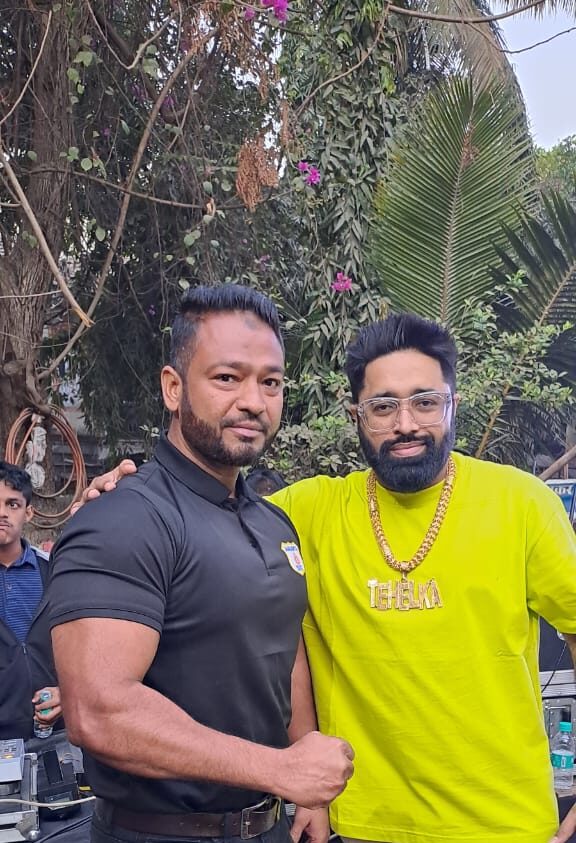
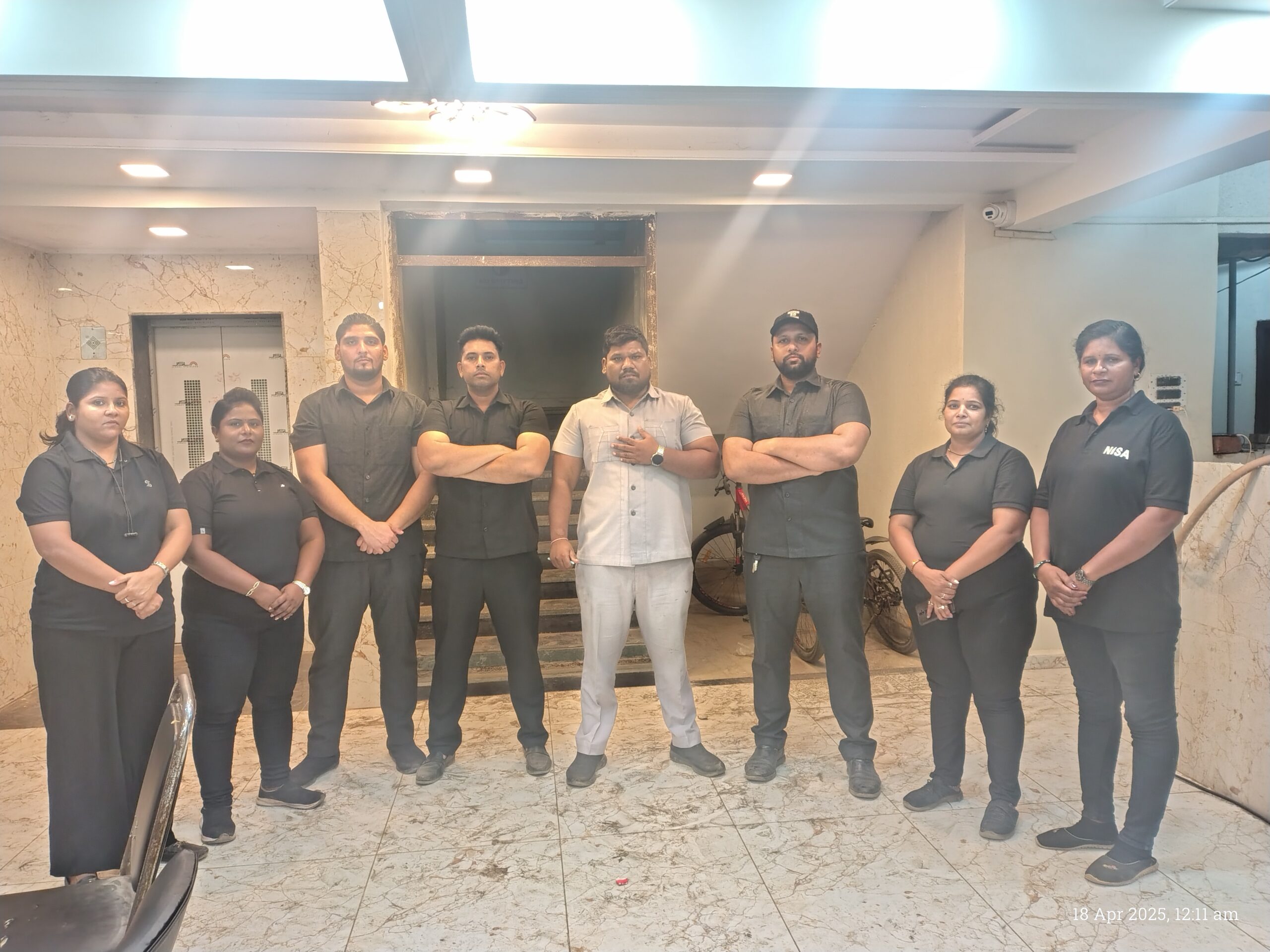
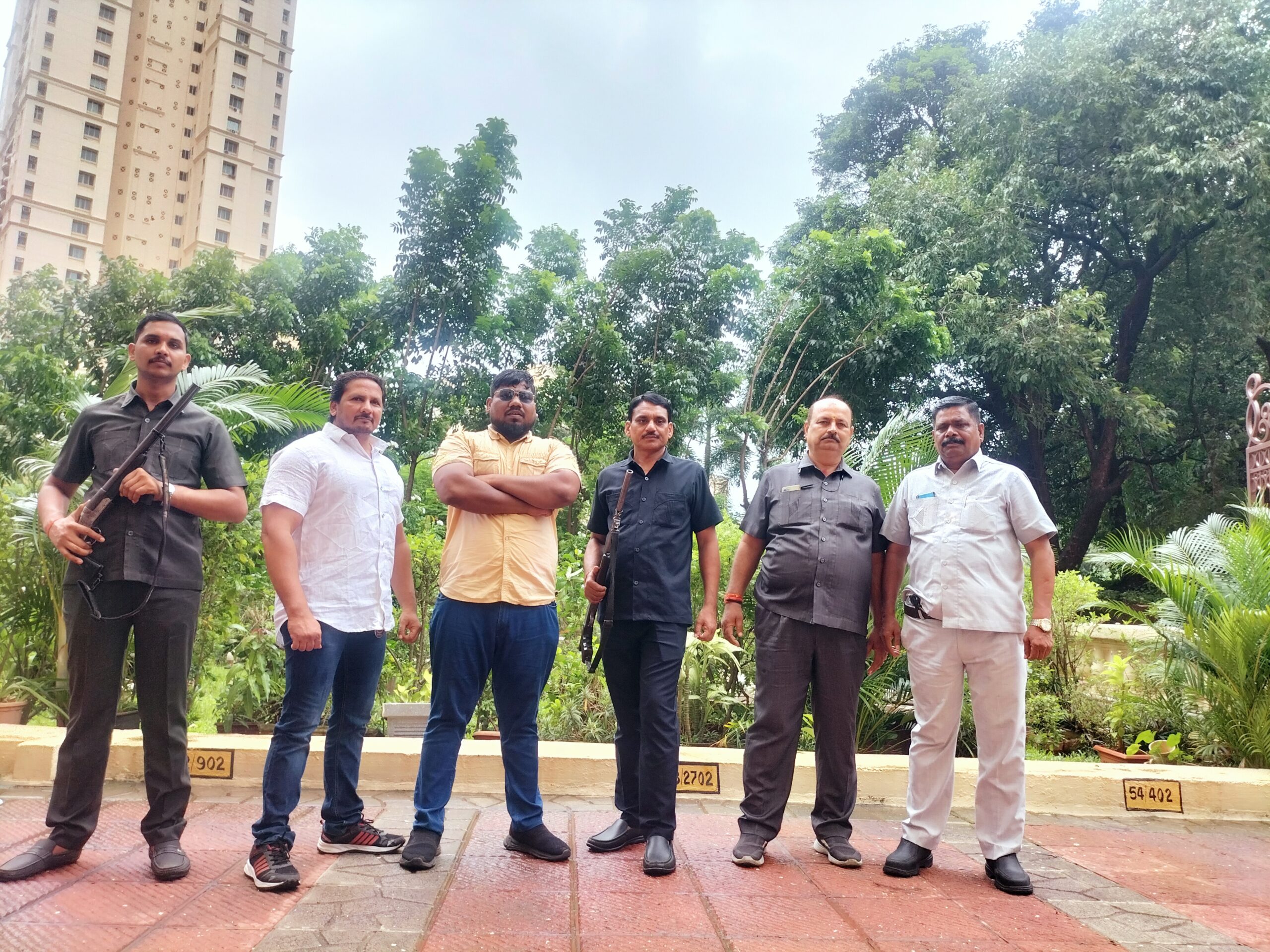
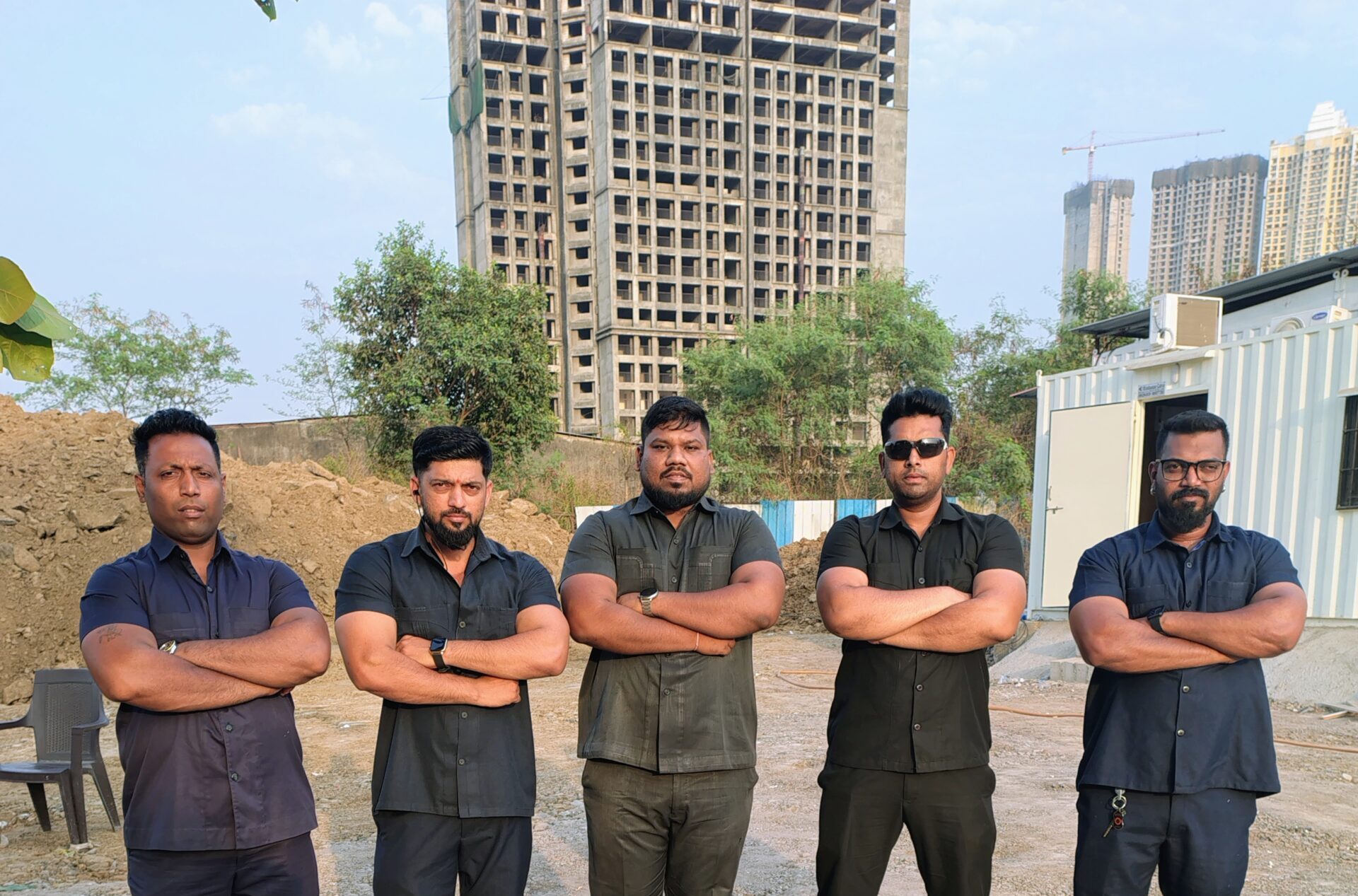
Safeguarding vacant land from encroachment, illegal dumping, and unauthorized access is crucial. Deploying professional security personnel (bouncers) offers an effective solution. This page outlines the key steps and considerations for establishing a robust security presence.
Key Tasks for Land Protection & Security Deployment
Here’s a list of essential tasks to consider when planning and implementing security measures for your open land:
* Initial Site Assessment and Risk Analysis:
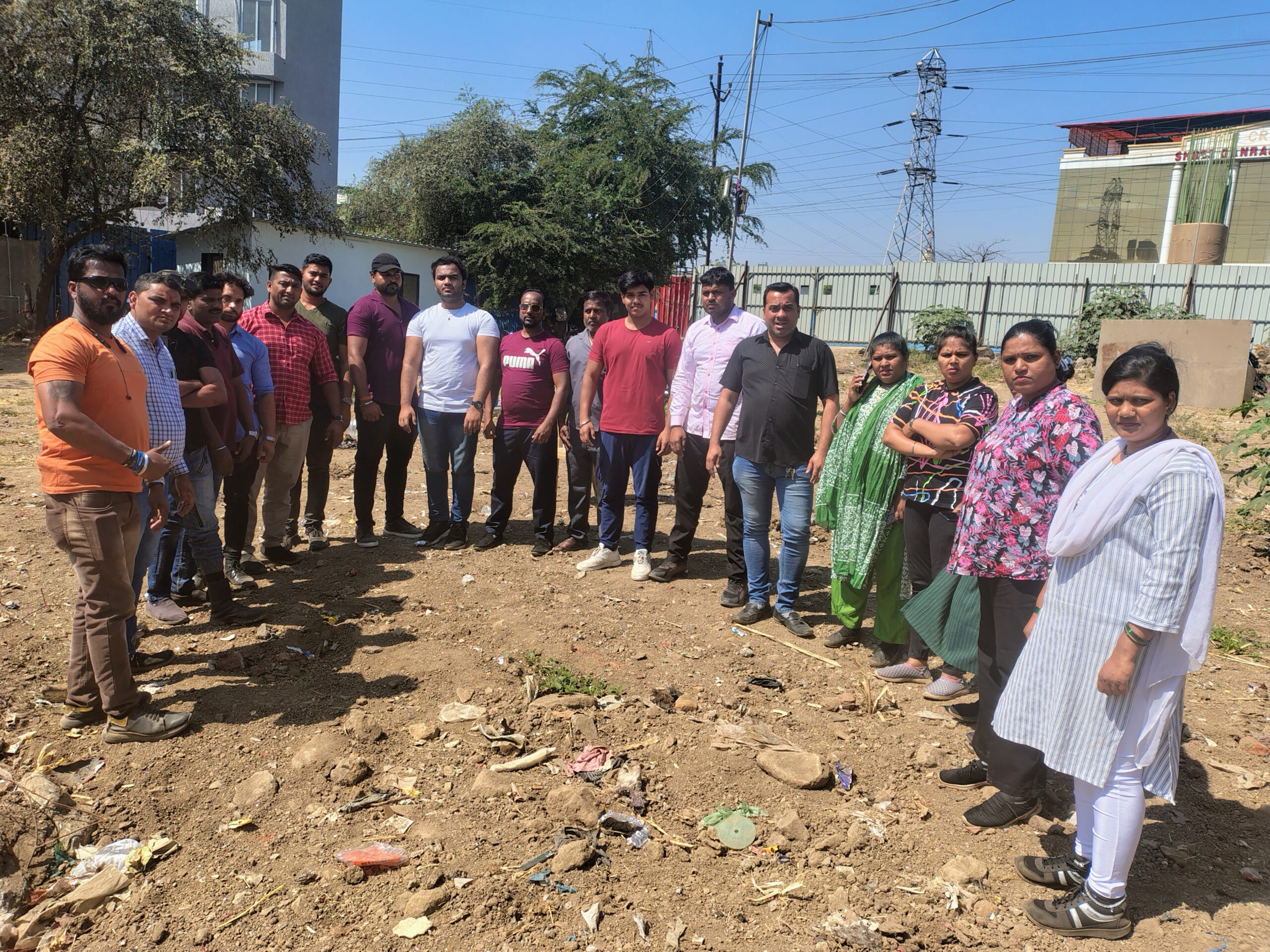
* Conduct a thorough inspection of the land to identify potential vulnerabilities, access points, and existing threats (e.g., signs of trespass, dumping).
* Assess the surrounding area and local crime rates to understand the overall risk profile.
* Determine the size and topography of the land to estimate the number of security personnel required.
* Defining Security Objectives:
* Clearly outline what you aim to achieve with the security deployment (e.g., prevent encroachment, deter illegal activity, control access).
* Establish specific KPIs (Key Performance Indicators) for the security team.
* Security Personnel Sourcing and Vetting:
* Identify reputable security agencies specializing in land or property protection.
* Verify licenses, certifications, and background checks of all potential security personnel.
* Prioritize individuals with experience in static guarding, crowd control (if applicable), and conflict resolution.
* Training and Briefing of Security Personnel:
* Provide comprehensive training specific to the site, including boundary identification, authorized entry points, and emergency protocols.
* Brief personnel on legal aspects of land protection, use of force guidelines, and reporting procedures.
* Emphasize professional conduct and customer service, as they may interact with legitimate visitors or authorities.
* Deployment Strategy and Shift Planning:
* Develop a strategic deployment plan, determining optimal positions for security personnel to ensure maximum coverage.
* Create a detailed shift schedule, including breaks and relief plans, to ensure continuous presence.
* Consider 24/7 coverage for high-risk areas.
* Communication and Reporting Protocols:
* Establish clear communication channels between security personnel, land owners/management, and local authorities.
* Implement a robust reporting system for incidents, observations, and daily activities. This should include detailed logbooks and incident reports.
* Equip personnel with necessary communication tools (e.g., two-way radios, mobile phones).
* Installation of Supporting Security Infrastructure (Optional but Recommended):
* Consider perimeter fencing, signage clearly stating private property, and warning notices.
* Evaluate the need for surveillance cameras (CCTV) to supplement human security and provide recorded evidence.
* Install adequate lighting in strategic areas for improved visibility during night hours.
* Legal Compliance and Documentation:
* Ensure all security operations comply with local laws and regulations regarding private security and land ownership.
* Maintain thorough documentation of contracts, permits, personnel details, and incident reports.
* Regular Monitoring and Performance Review:
* Conduct regular site visits to assess the effectiveness of the security deployment.
* Hold periodic meetings with the security team to review performance, address challenges, and provide feedback.
* Be prepared to adjust the security strategy based on changing circumstances or new threats.
By systematically addressing these tasks, you can establish an effective security presence to protect your open land and prevent unauthorized activities.



Excellent bouncer services
Response from the owner 08:54 29 Sep 24
Thank you Rohit Sir 🙏🏼
Bouncer are so decipline. They are Understand requirement of work. They Know Teamwork.
Response from the owner 08:54 29 Sep 24
Thank you Rahul Sir🙏🏼
All the bouncers of this group work very responsibly.
Response from the owner 13:12 11 Jul 23
Thank you sir🙏
Their service is very good
Response from the owner 13:13 11 Jul 23
Thank you sir🙏
Their bouncer group is very hardworking and their entire team is disciplined so my event went very well today
Response from the owner 13:01 08 Jul 23
Thank you sir 🙏
Very professional behaviour of Owner.
We hired them for our big event.
And they manage our all security section.
We hired them for our big event.
And they manage our all security section.
Response from the owner 12:53 08 Jul 23
Thank you sir🙏
Call not received
Response from the owner 06:12 11 Jun 23
I apologize from my entire team sir please can you call again